Hardwood Floor Repairs & Water Damage Restoration
Restoring Your Hardwood Floors Without Starting Over.
Damage to your hardwood floors doesn't always mean starting over. From everyday wear and accidental damage to unexpected water leaks, our experienced team at Elevated Hardwood Floors is here to help.
We specialize in repairing damaged hardwood, board replacements, and blending new flooring with existing floors whenever possible. Our goal is to preserve the beauty and integrity of your hardwood while helping you find the most practical, long-lasting solution for your home.
Proudly serving Fort Collins, Loveland, Windsor, and surrounding Northern Colorado communities.
Water Damage Repair & Restoration
Water damage can be stressful, but it doesn't always mean your hardwood floors are beyond repair.
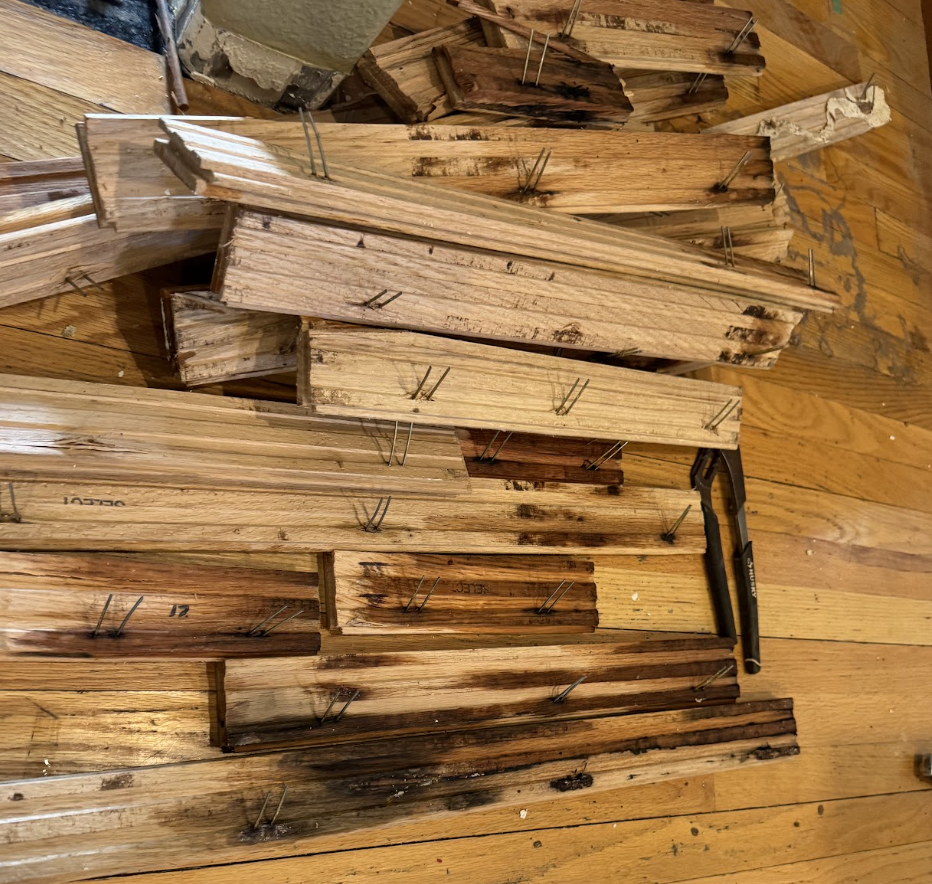
Whether caused by a leaking appliance, plumbing issue, or unexpected flooding, moisture can lead to cupping, buckling, swelling, and discoloration.
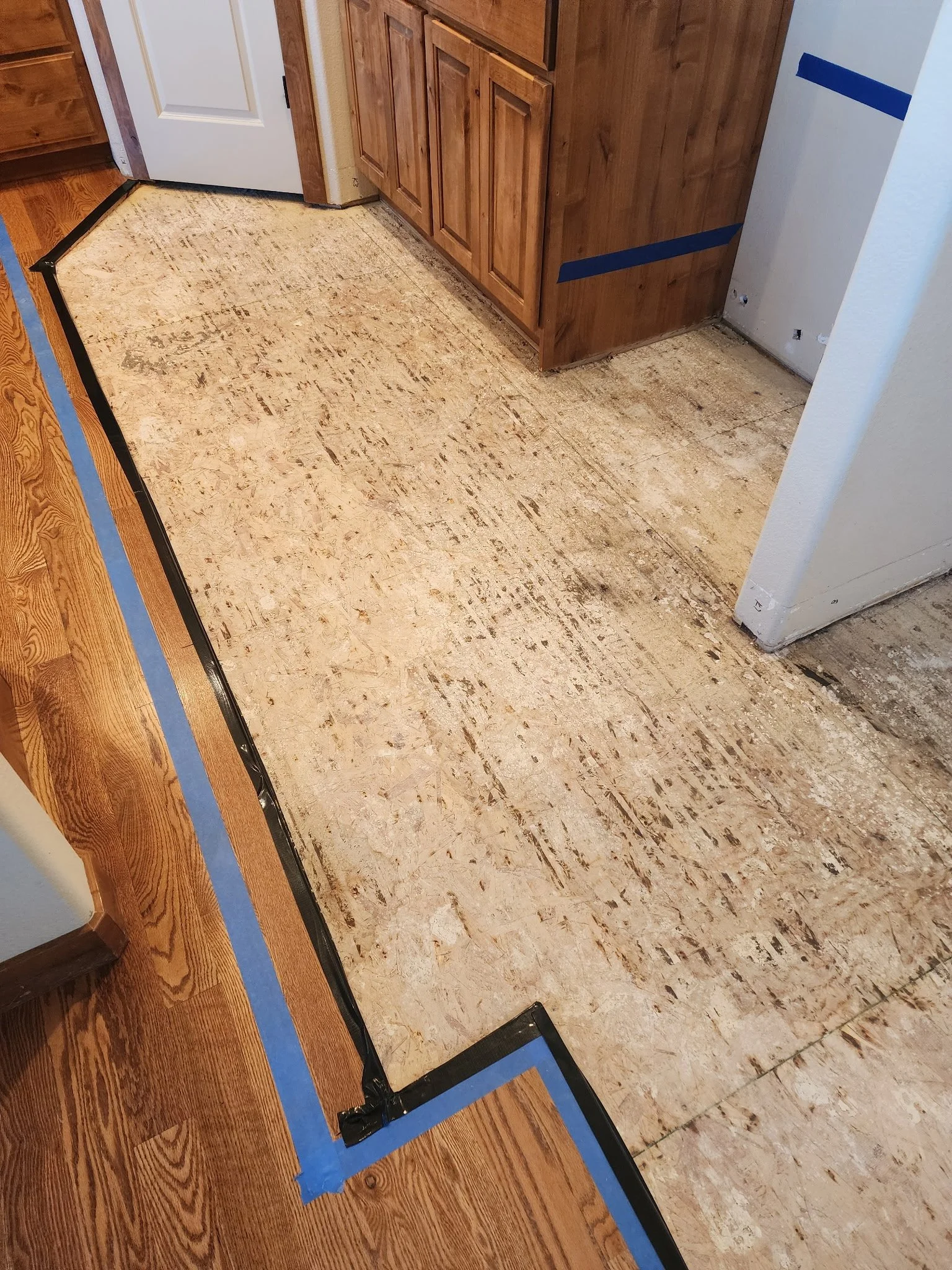
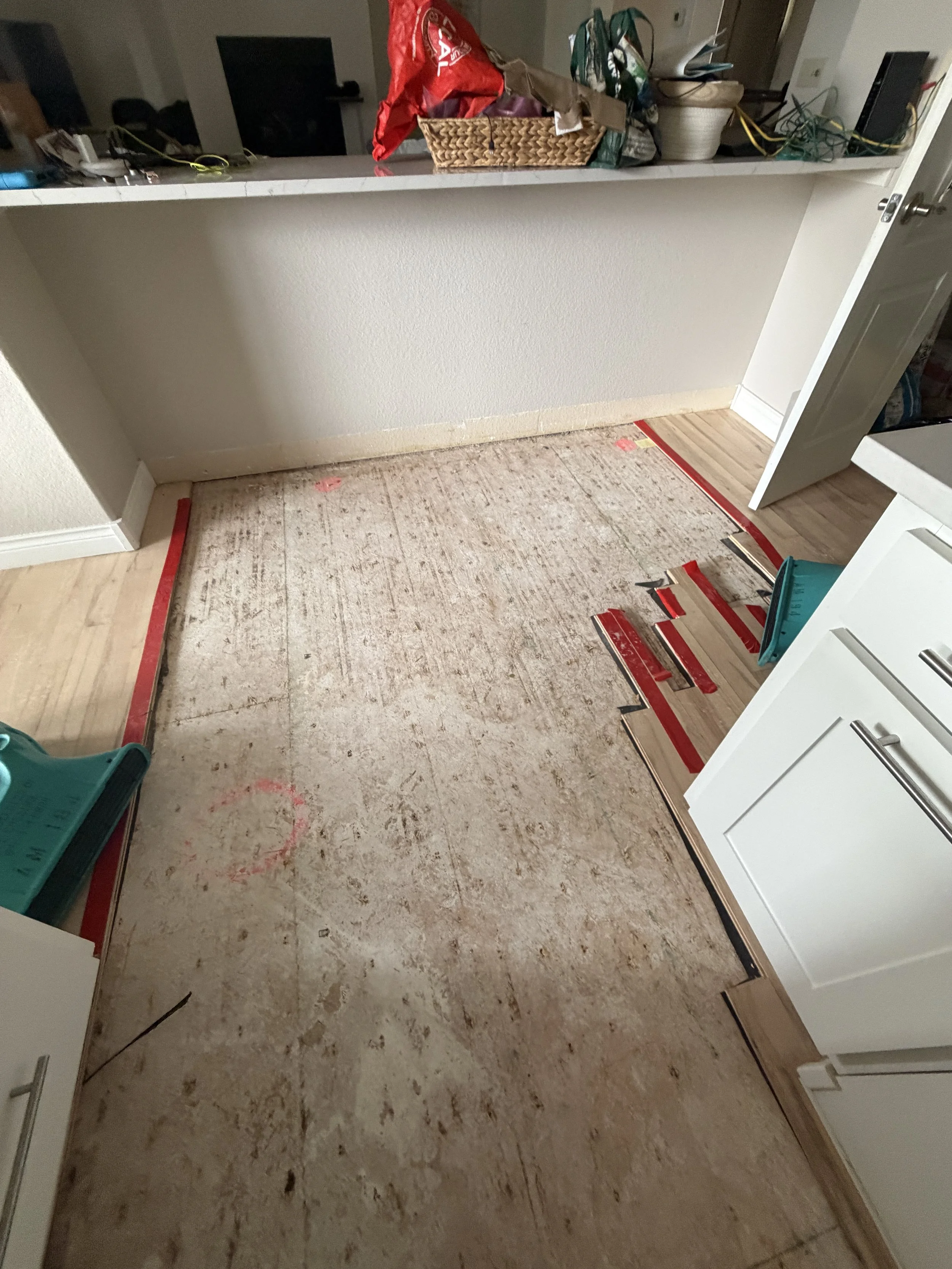
Once the source of moisture has been resolved and the flooring is properly dried, our team can assess the damage and determine whether repairs, selective board replacement, or more extensive restoration is the best solution.
Moisture Testing Matters
Water damage isn't always visible, and a full replacement isn't always necessary.
Whether caused by a plumbing leak, appliance malfunction, or unexpected flooding, water can significantly affect the condition of hardwood flooring. Two common signs of moisture-related damage are cupping and crowning.
Cupping occurs when the edges of hardwood boards rise higher than their centers, creating a concave appearance. This typically happens when the underside of the flooring absorbs more moisture than the surface.
Crowning occurs when the center of a hardwood board rises higher than its edges, creating a convex appearance. This can result from moisture imbalances or sanding a cupped floor before it has fully dried.
Understanding What's Beneath the Surface
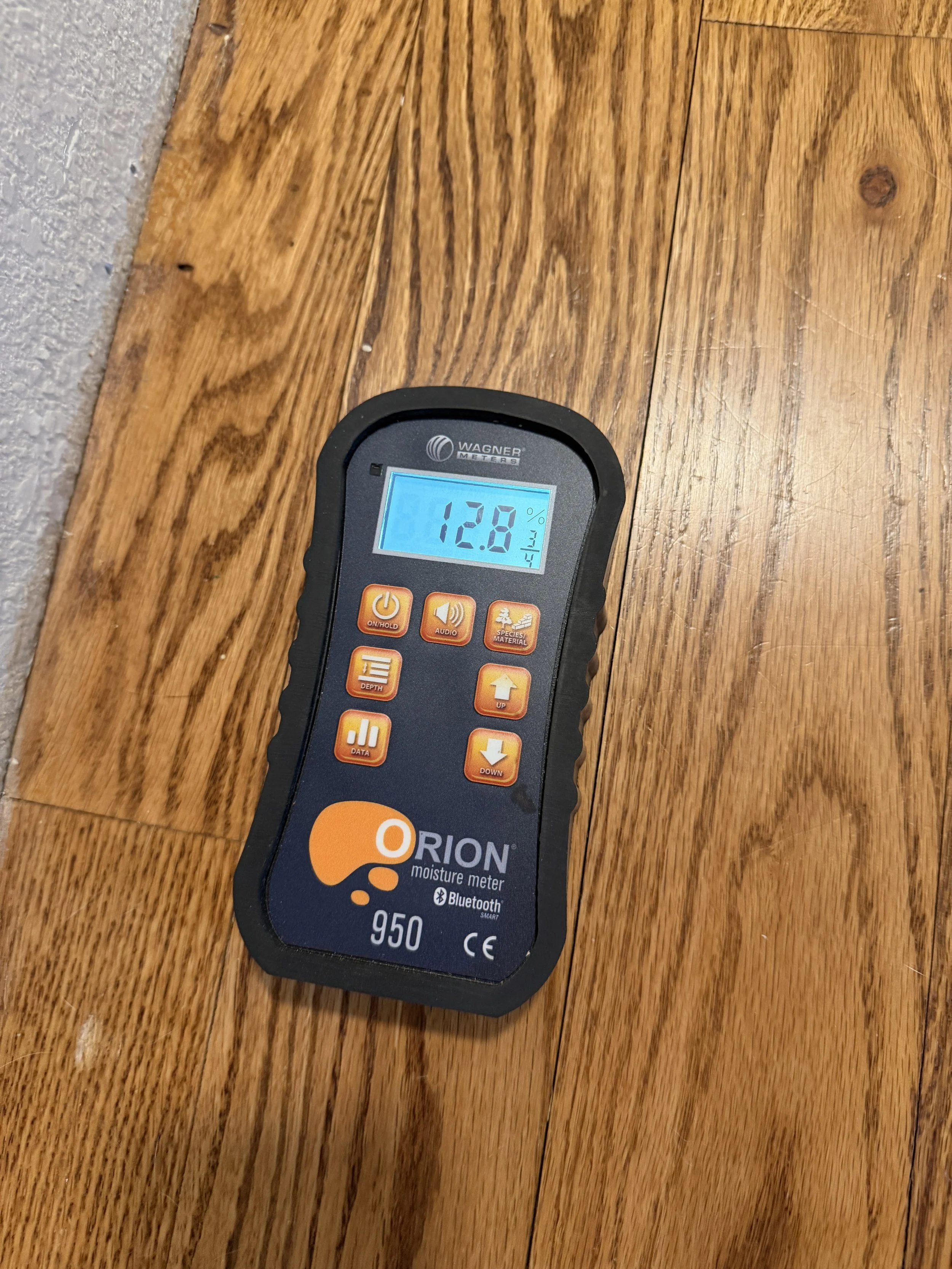
At Elevated Hardwood Floors, we use professional moisture meters to assess moisture levels in affected hardwood flooring and compare those readings with areas that appear unaffected. These comparisons help us identify moisture differences, evaluate the extent of the damage, and determine the appropriate next steps.
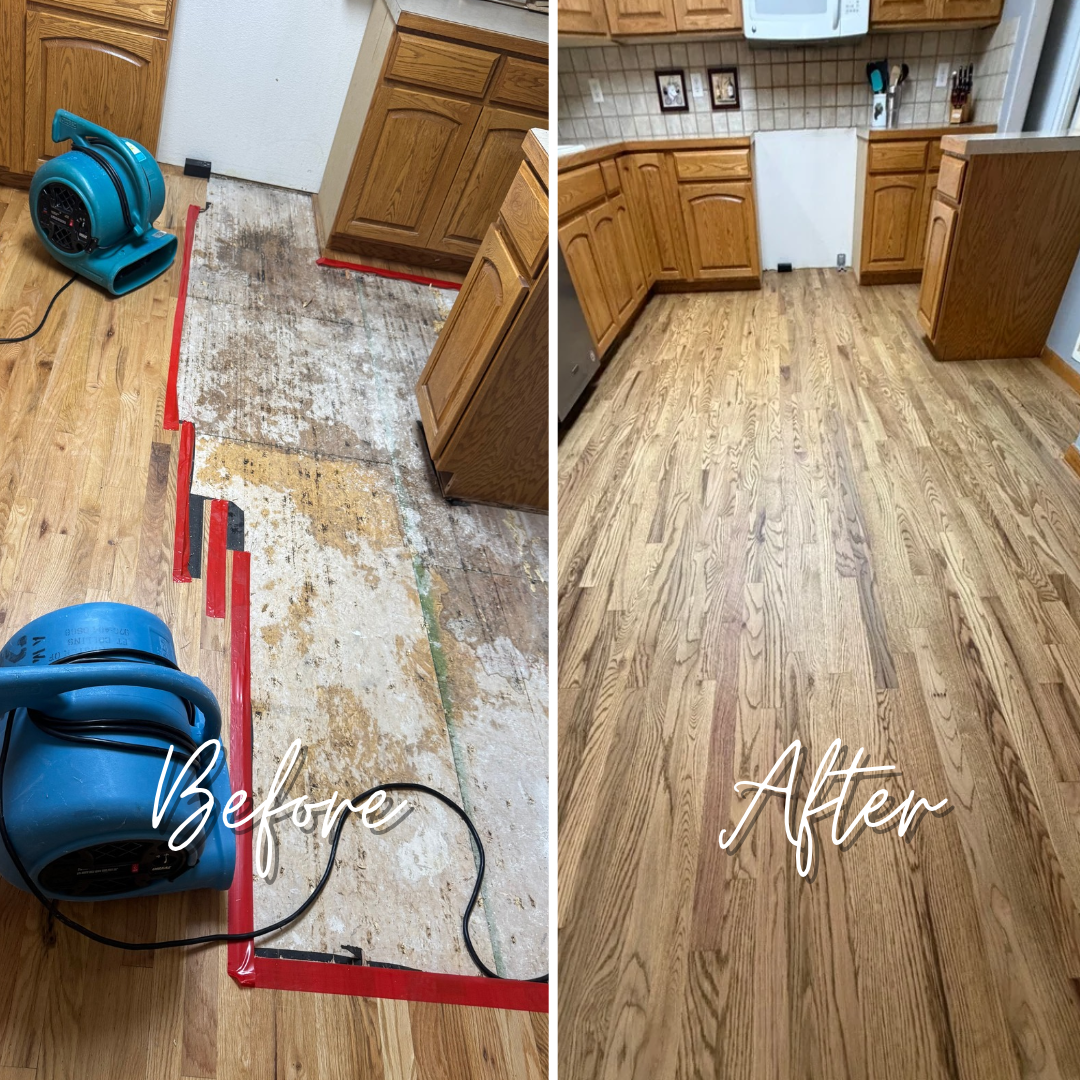
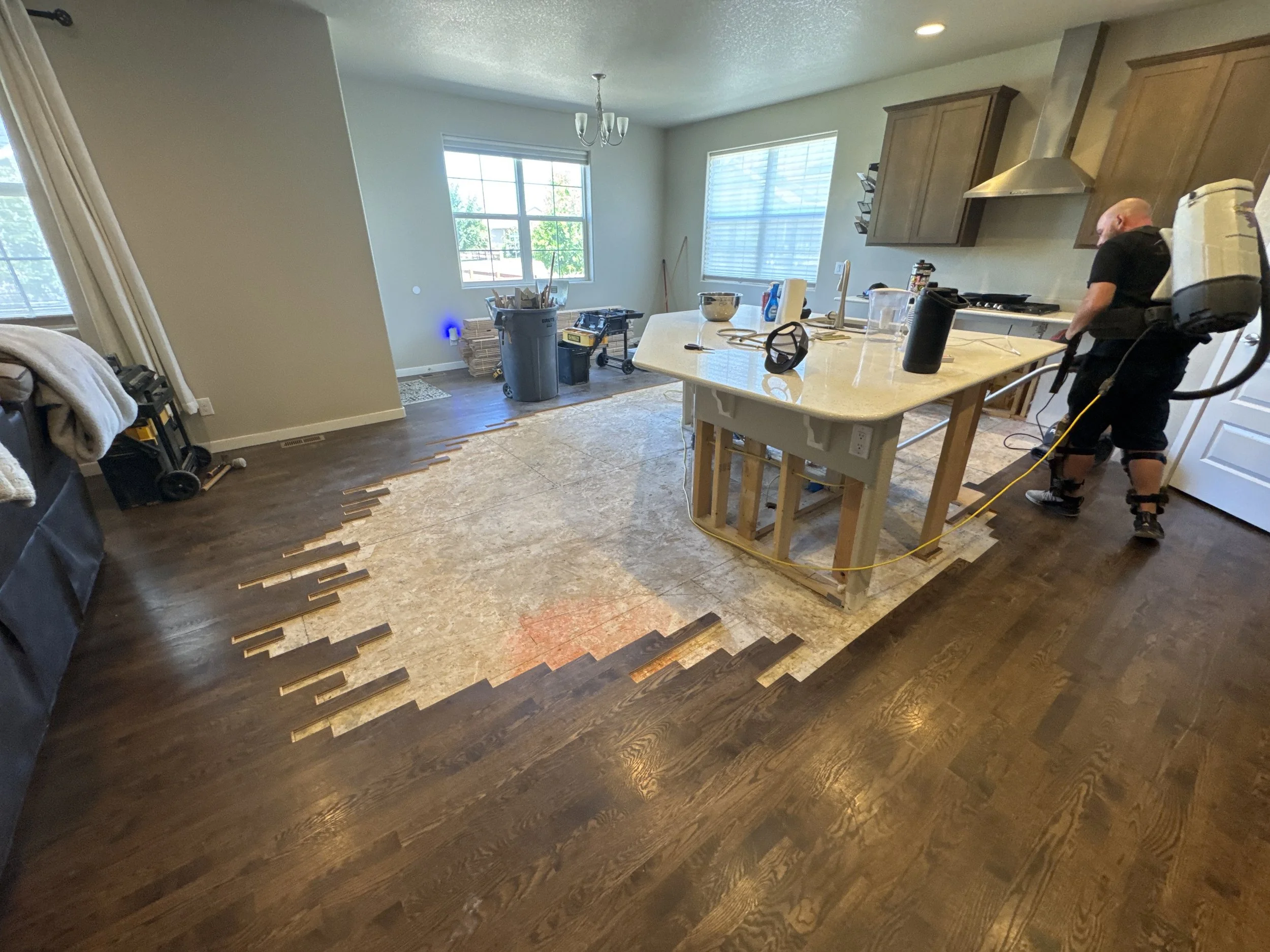
When hardwood flooring remains wet, removing the affected boards is often necessary to access and properly dry the subfloor. Addressing trapped moisture is essential to reducing the risk of mold growth, preventing additional damage, and ensuring a stable foundation for repairs.
With an IICRC-certified water damage technician on our team, we bring specialized knowledge of moisture assessment and water damage restoration to the evaluation process.
Once appropriate drying conditions have been achieved, we can determine whether the flooring can be repaired, selectively replaced, or restored through sanding and refinishing.
Our goal is to identify the source and extent of the damage, address underlying moisture concerns, and preserve as much of your existing hardwood flooring as possible.
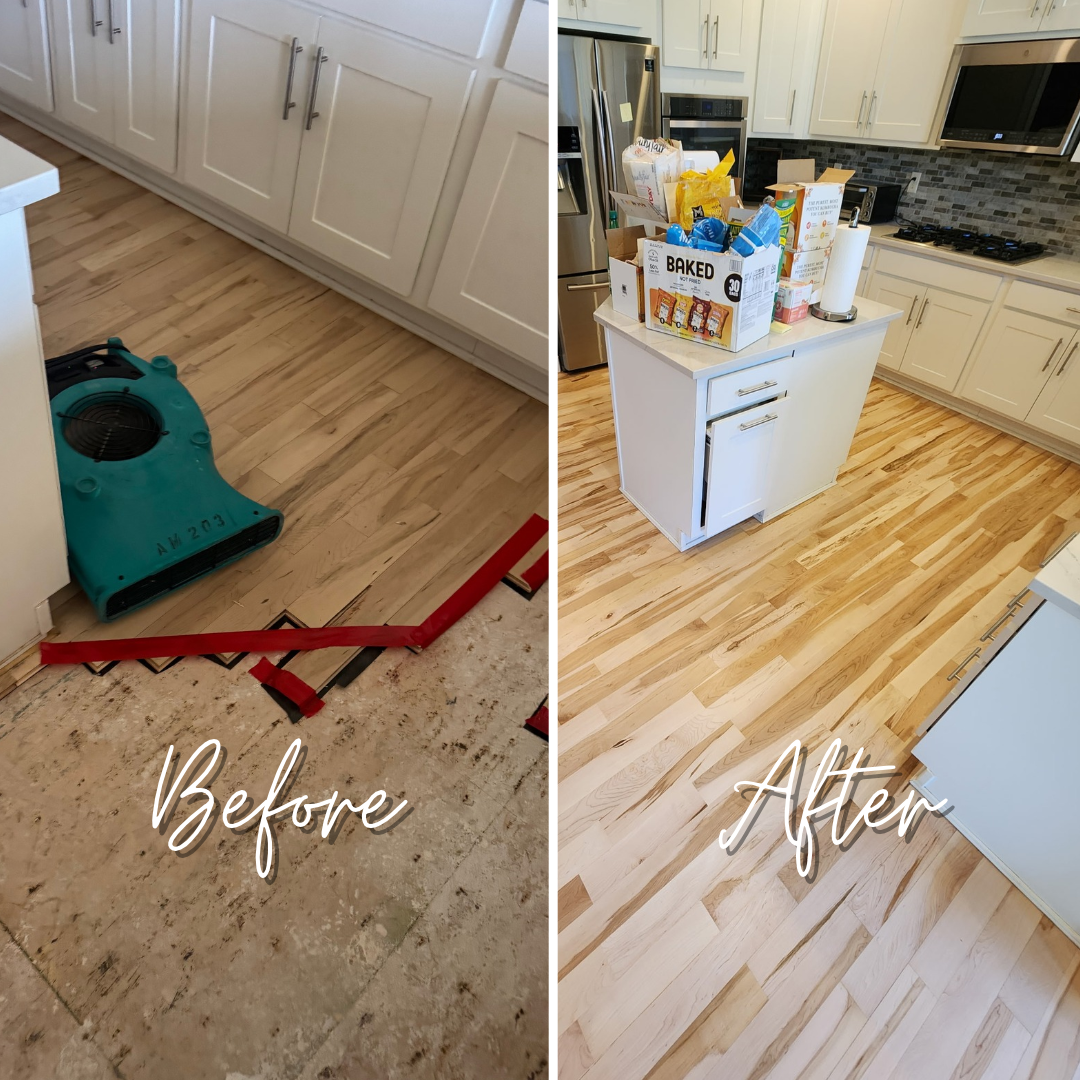
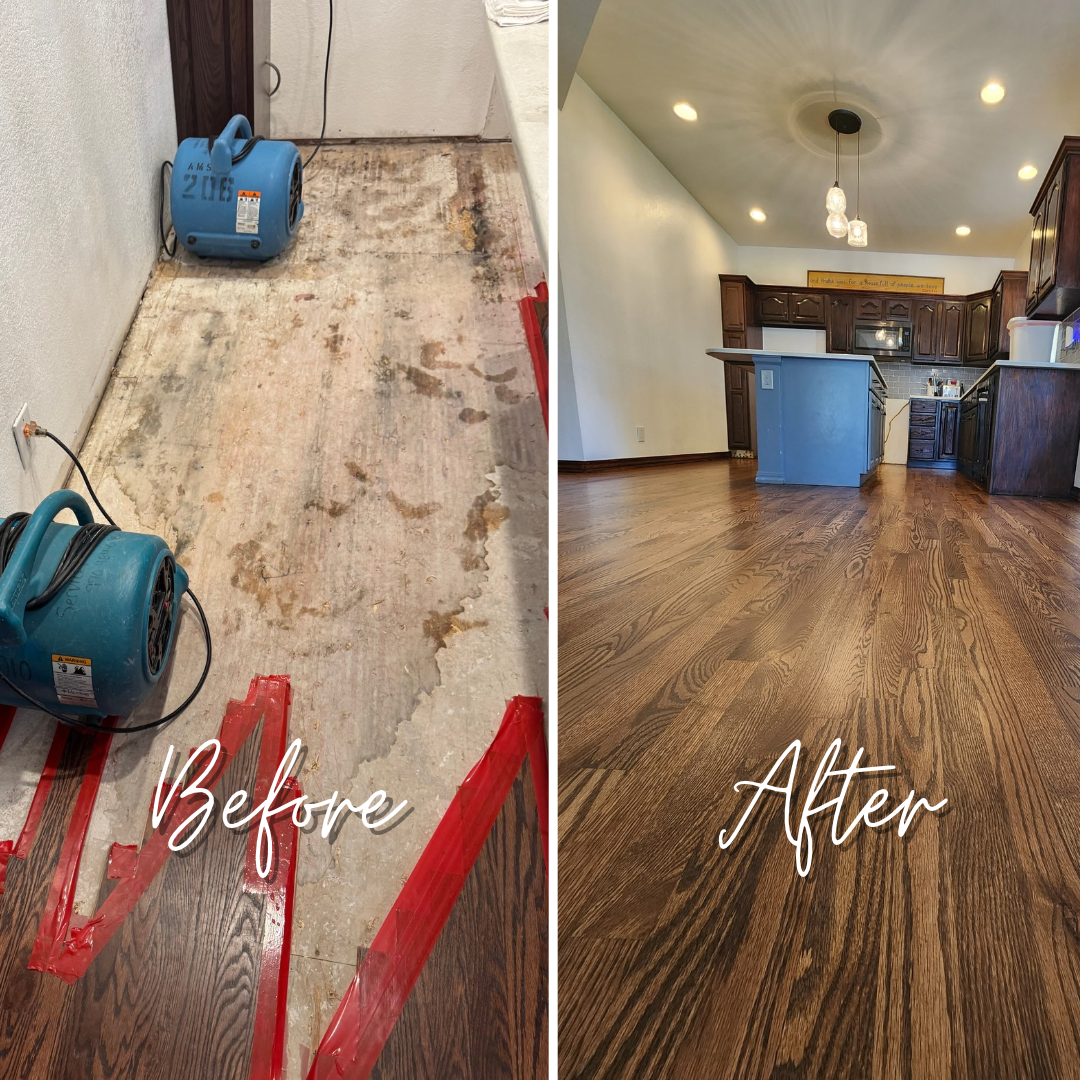
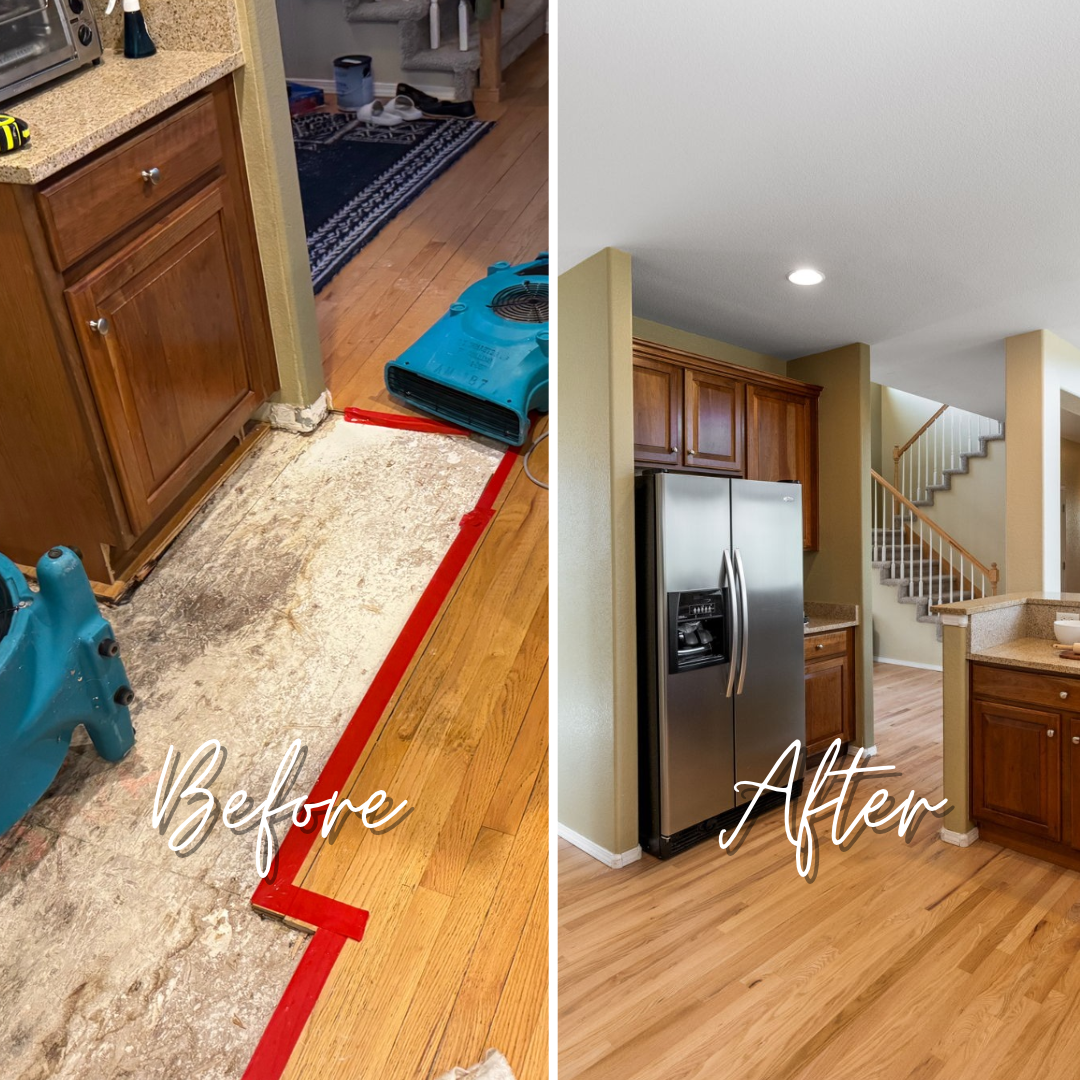
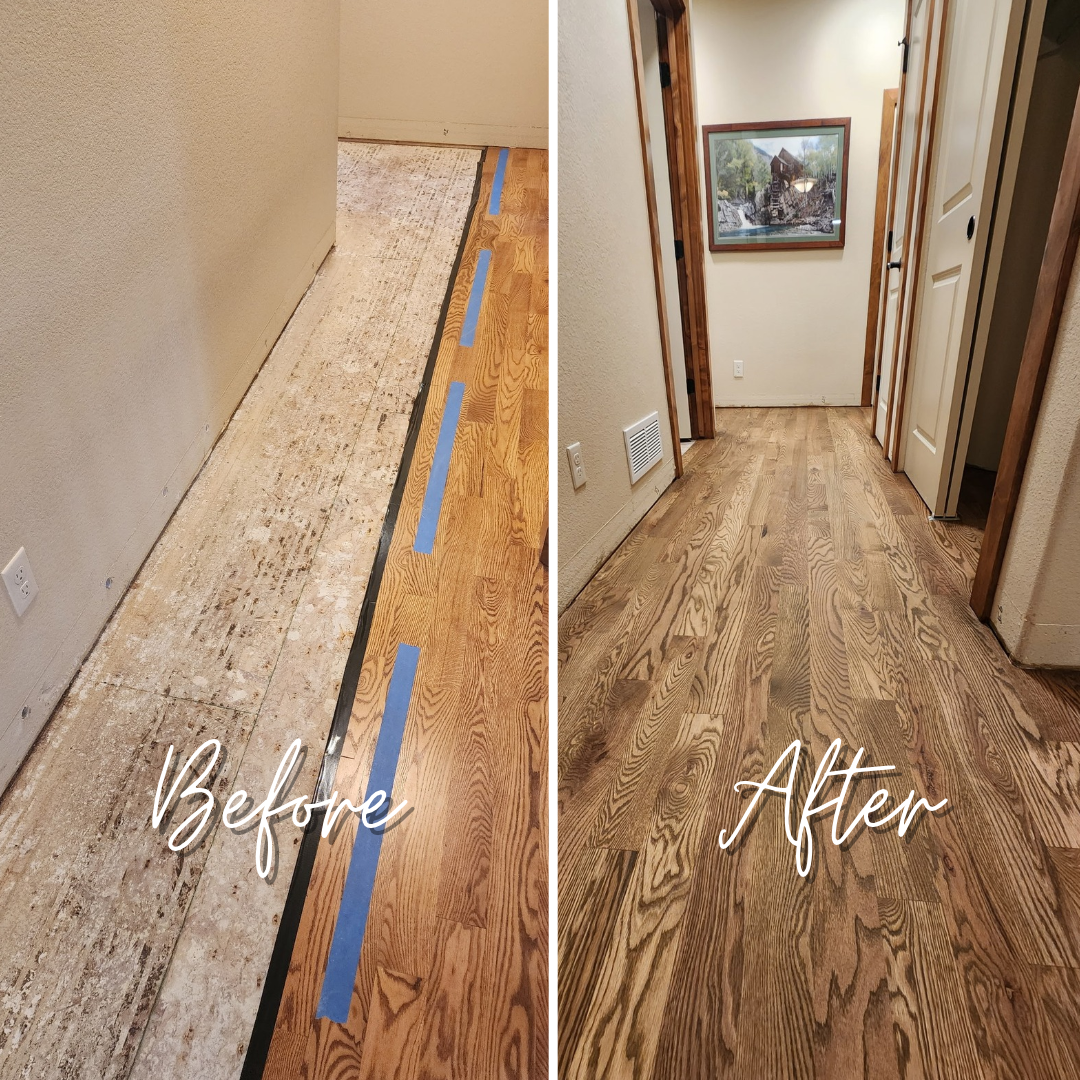
Hardwood Floor Water Damage
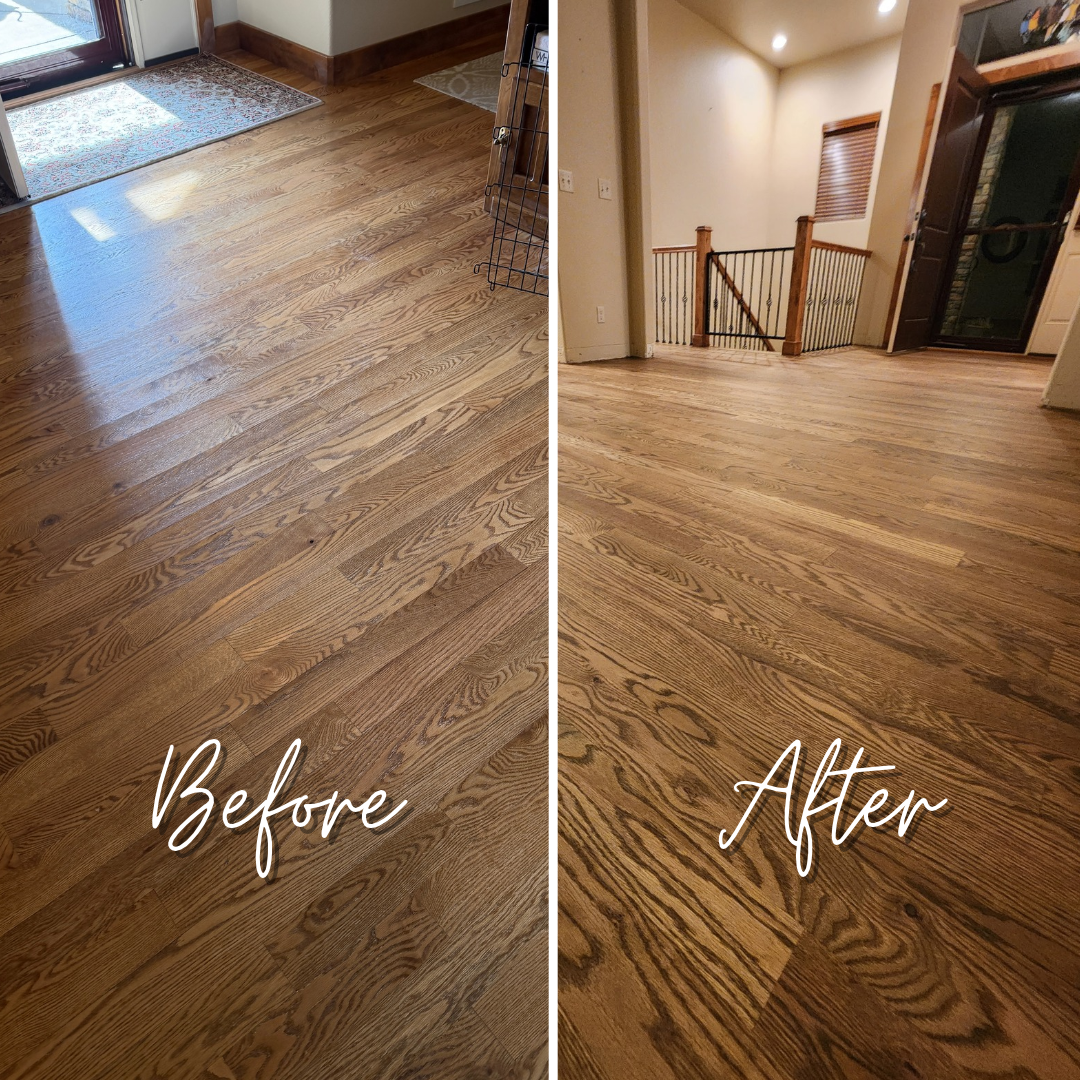
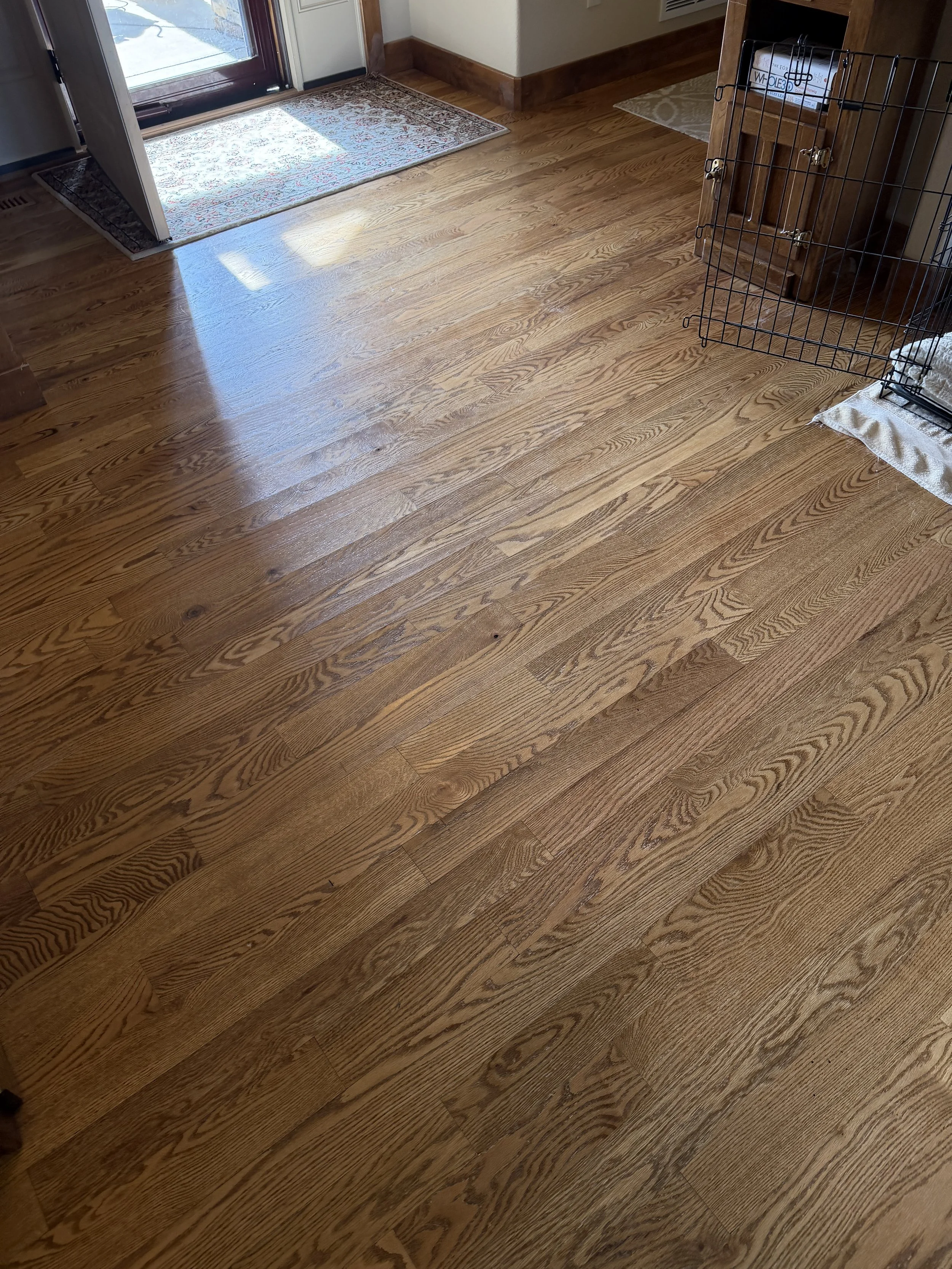
Before & After Photos